Why Every Workplace Needs an Electrical Safety Audit in 2025?
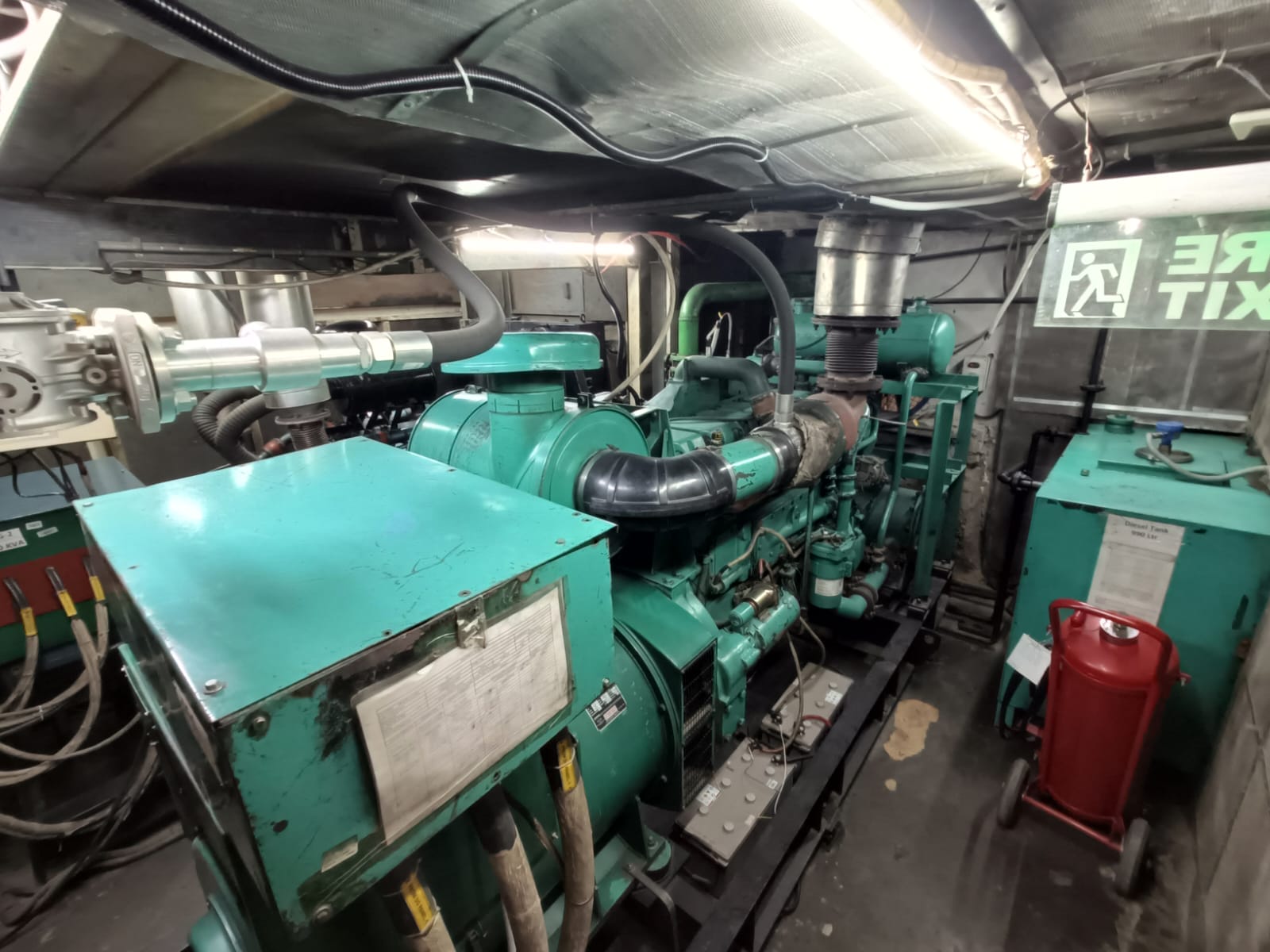
In 2025, workplace safety standards are evolving faster than ever — driven by automation, rising power loads, stringent compliance rules, and a growing focus on risk prevention. Among all safety measures, an Electrical Safety Audit has become one of the most essential practices for any organization, regardless of its size or industry.
Electrical failures remain one of the top causes of industrial fires, equipment damage, costly downtime, and even loss of life. A timely audit helps identify hidden hazards, strengthens compliance and ensures your workplace remains safe, reliable and future-ready.
1. Increasing Electrical Load & Complex Infrastructure
Modern workplaces are more dependent on electrical systems than ever before — from computers and HVAC systems to high-power machinery and automated equipment. With this rise in demand, even a small fault can lead to:
- Overloaded circuits
- Unstable power distribution
- Hidden hotspots
- Trip hazards
- Short circuits or arc flashes
An electrical safety audit helps evaluate whether your existing electrical infrastructure can safely handle current and future loads.
2. Compliance Requirements Are Getting Stricter
Regulatory bodies and safety authorities across industries are tightening compliance norms in 2025. Non-compliance can lead to:
- Penalties or legal consequences
- Insurance claim rejection
- Operational shutdowns
- Reputational damage
An audit ensures your workplace aligns with mandatory electrical safety standards, statutory rules and documentation requirements.
3. Preventing Electrical Fires & Accidents
Electrical faults are responsible for a significant number of fires in commercial and industrial buildings. Workplace hazards such as:
- Loose connections
- Damaged wiring
- Improper earthing
- Overheating components
- Poor maintenance
often go unnoticed until they cause a major accident.
An electrical safety audit identifies these risks early and provides corrective actions to prevent fires, electrocution, and costly damage.
4. Extending Equipment Life & Reducing Downtime
Electrical equipment failure results in expensive downtime and production loss. Routine audits help:
- Detect early signs of equipment stress
- Improve reliability of electrical panels & switchgear
- Reduce breakdown frequency
- Enhance machine performance
- Protect sensitive equipment from power fluctuations
This leads to increased productivity and lower maintenance costs.
5. Ensuring a Safe Workplace Culture
A safe workplace is not just about compliance — it's about nurturing a culture of prevention. Electrical safety audits improve:
- Awareness among employees
- Usage of proper PPE
- Lockout/Tagout (LOTO) practices
- Emergency readiness
- Handling of electrical equipment
When staff feels safe, workplace morale and efficiency naturally improve.
6. Protecting Sensitive Electronics & IT Infrastructure
In 2025, companies rely heavily on servers, advanced automation, IoT devices and sensitive electronics. Even minor electrical faults can cause:
- Data loss
- System failures
- Hardware burnout
- Major operational interruptions
Audits help ensure stable grounding, proper surge protection and consistent power quality — essential for all modern workplaces.
7. Preparing Your Facility for the Future
With increasing adoption of:
- Renewable energy
- Electric vehicles (EV) charging infrastructure
- Smart sensors
- High-efficiency motors
- Automation technologies
your electrical network must be future-ready. Electrical audits assess your system’s capacity to support upcoming technology and expansion.
What an Electrical Safety Audit Covers
A typical audit includes:
- Inspection of wiring, panels, DBs & switchgear
- Load balancing & demand assessment
- Earthing & grounding system testing
- Thermography (thermal imaging)
- Protective device coordination
- Condition of cables, conduits & terminations
- LOTO & safety procedure evaluation
- Identification of non-compliance
- Detailed report with corrective action plan
This makes the audit a complete health check-up of your electrical system.
Conclusion: Make 2025 the Year of Safer Workplaces
Electrical safety is no longer optional — it is a critical requirement for every workplace in 2025. By conducting an Electrical Safety Audit, you not only comply with regulations but also:
- Protect lives
- Prevent costly failures
- Increase equipment lifespan
- Build a stronger safety culture
- Ensure business continuity
Investing in an audit today helps secure your workplace for tomorrow.
References
Categories
Chemical Safety
Construction
Electrical
Energy
Food
Healthcare
Industrial Hygiene
Information Technology
Laboratory
Manufacturing
Marine
Mechanical
Mining
Pharmaceuticals
Publication & Printing
Recreation
Telecommunication
Transportation
Equipment Safety
Fire Safety
Health Hazards
Terminologies
Natural/Environmental Hazards
Smoke Emission/Respiratory Safety